
PRODUCTS
ACA Timber highly values Latvian wood, and we are ready to showcase its unique qualities to the world. ACA Timber engages in the trade of roundwood, sawn timber, and wood byproducts both in Latvia and internationally.
ACA Timber is a wellrecognized and highly experienced company that provides customers with the required assortment preparation according to their specifications and quality requirements. ACA Timber is a company capable of adapting to customer needs and ensuring the highest level of professional working conditions.
Roundwood assortments can be classified according to various characteristics: tree species, diameter, length, wood quality, and intended further processing.

Sawlogs
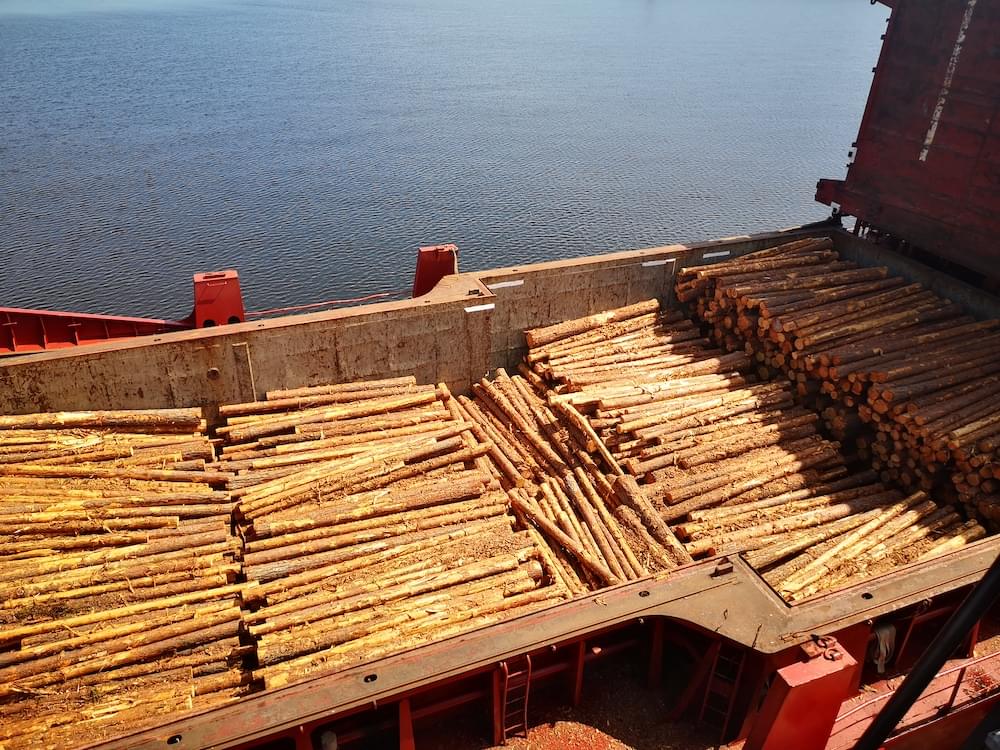
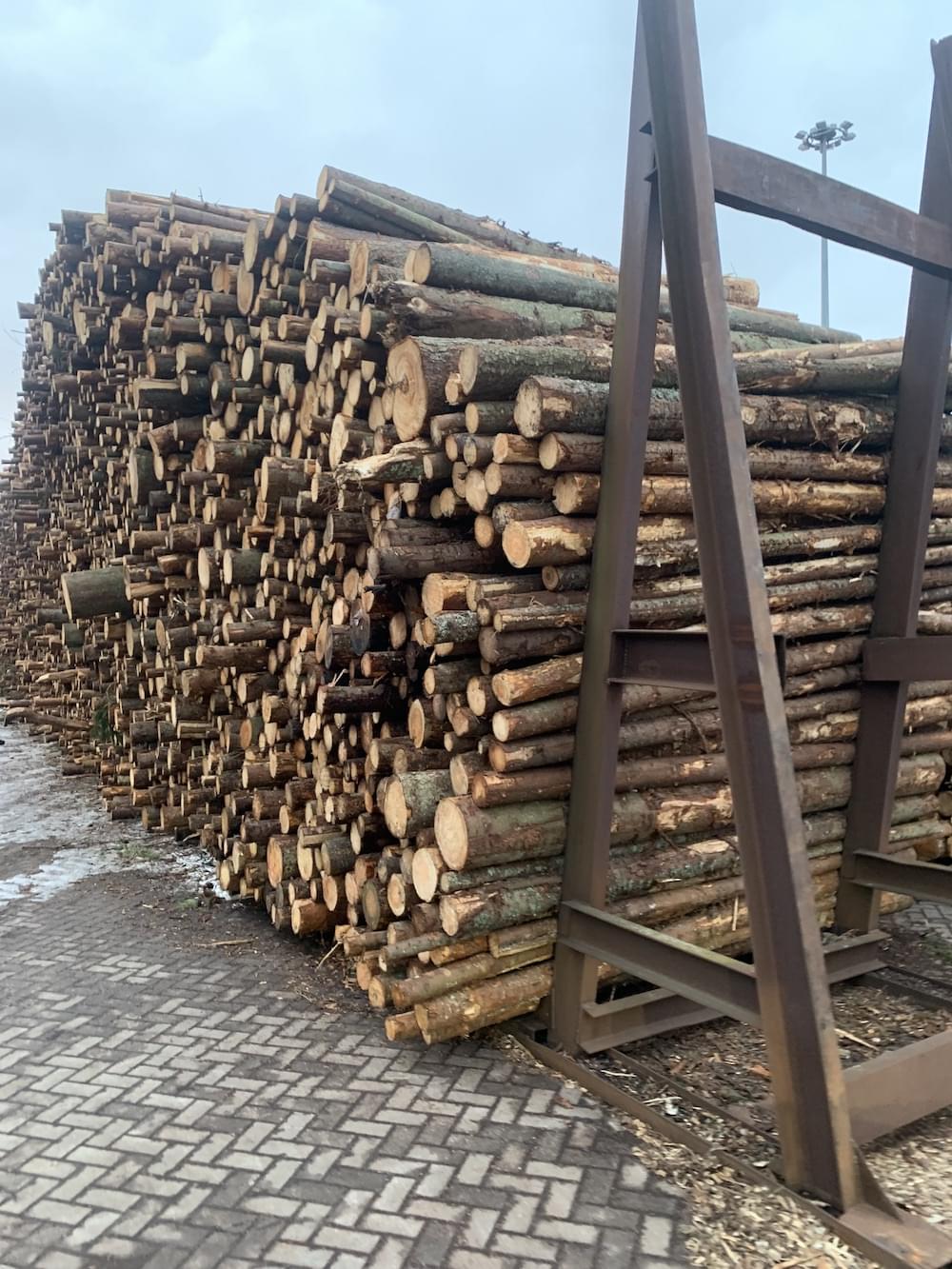
Roundwood and sawlogs are the timber assortments actively purchased by woodprocessing companies in Latvia and abroad. These materials belong to the industrial roundwood category, which has a wide range of uses and processing possibilities.
Roundwood consists of straight, pruned stems and stem sections of various diameters and lengths, with bark, used as raw material for further processing. Sawlogs are roundwood that is processed into sawn timber through longitudinal sawing.
Pine and spruce sawn timber are the most valuable raw materials obtained from wood. The most valuable assortment is Class A (elite class) saw logs. ACA Timber has demonstrated its reliability and ability to supply several sawmills in Europe with high quality Class A and Class B assortments.
Quality Classes
- Class A – Highquality, straight, thick, knotfree saw logs used in the production of furniture and joinery products.
- Class B – Highquality saw logs with mediumsized, sound, intergrown knots. Suitable for the production of flooring boards, cladding boards, and also for joinery and furniture manufacturing.
- Class C – Sawlogs with significantsized sound or dry knots, used for producing loadbearing construction elements (rafters, beams, posts, etc.).
- Class D – Lowquality sawlogs used for making packaging and pallets.

Birch Veneer Logs
Equally important and requiring high quality are birch veneer logs. Birch is one of the dominant tree species in Latvian forests, covering approximately 29% of Latvia’s total forest area.
Birch veneer logs are a highly valuable assortment in which significant defects are not acceptable. This assortment must be freshly cut, free of loose branches, dryside defects, or ingrown bark. Birch veneer logs are delivered to veneer log processing plants. In these factories, birch veneer logs are processed and peeled to produce birch veneers, which are later used in the production of furniture, parquet, panels, and plywood.
Veneer is one of the most widely used panel materials worldwide, and therefore the demand for wood intended for its production remains consistently high.
Veneer consists of thin sheets of wood that are peeled or sliced. Peeled veneer is used in the production of plywood and curved laminated components. During the peeling process, birch veneer logs are cut in a plane parallel to the wood fibers. The cutting direction is perpendicular to the wood fiber orientation. The birch veneer log rotates around a fixed axis while the cutting tool moves toward the axis of rotation.
Sliced veneer — also called knifecut veneer — is intended for surface veneering. To obtain this type of veneer, birch veneer logs are sliced in a straight plane without rotation.


Pulpwood
Pulpwood is one of Latvia’s export products with high demand in foreign markets. Pulpwood is used to produce cellulose, which is essential for paper manufacturing.
Pulpwood is made from thin timber obtained in thinning operations, from the top sections of stems, as well as from decayed, crooked, knotty, or cracked wood from other parts of the stem that are unsuitable for veneer logs or saw logs. Pulpwood is prepared from spruce, pine, birch, or aspen.
Pulpwood contains approximately 50% cellulose, while the rest of the wood composition consists of lignin, resins, and mineral substances.
Requirements
Strict compliance with quality standards is required — pulpwood is delivered in a standard length of 3 meters, with the diameter measured without bark:
- 6–60 cm for birch and coniferous species
- 8–60 cm for aspen
ACA Timber supplies its clients across Europe every month with highquality shiploads of pulpwood. Pulpwood is the most indemand and popular assortment among ACA Timber’s clients. ACA Timber delivers pulpwood throughout Europe.


Pulp Chips
Pulp chips are obtained as a byproduct in sawmills during the production process. Pulp chips are primarily used for cellulose production. Only a small amount of pulp chips is sold within Latvia; most of it is exported, as Latvia does not have a cellulose (pulp) factory. Local competition for this product is therefore limited, making companies dependent on demand from producers in other countries.
ACA Timber cooperates with several pulp factories across Europe, with whom we have built and strengthened reliable partnerships over many years. ACA Timber supplies its clients with highquality pulp chips sourced from multiple Latvian producers.


Fuelwood Chips
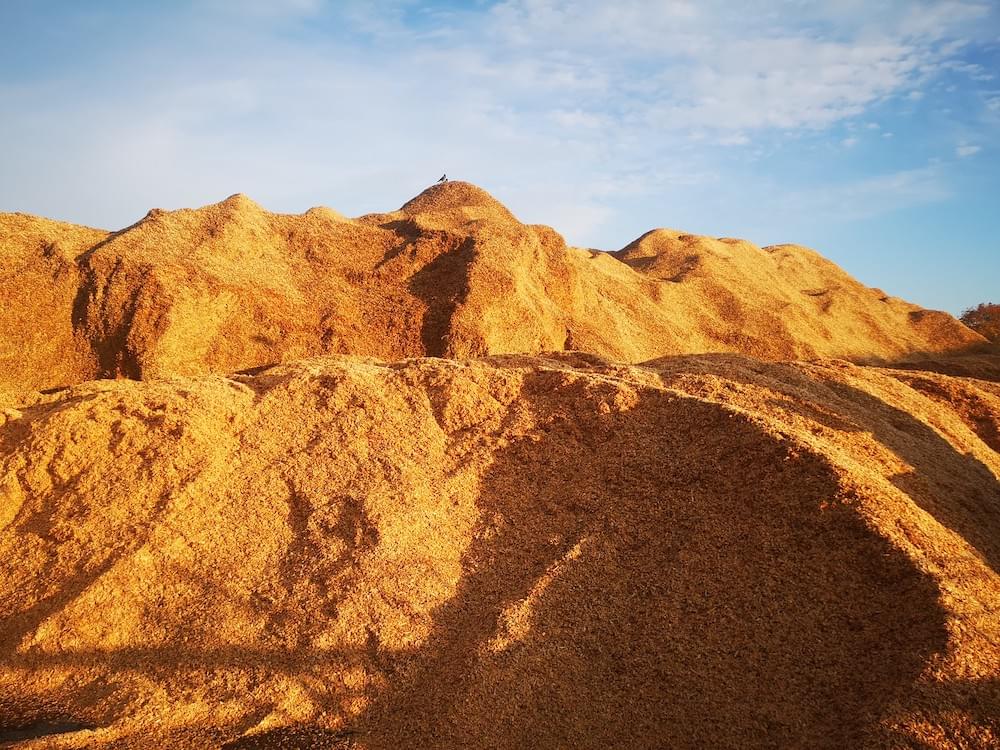
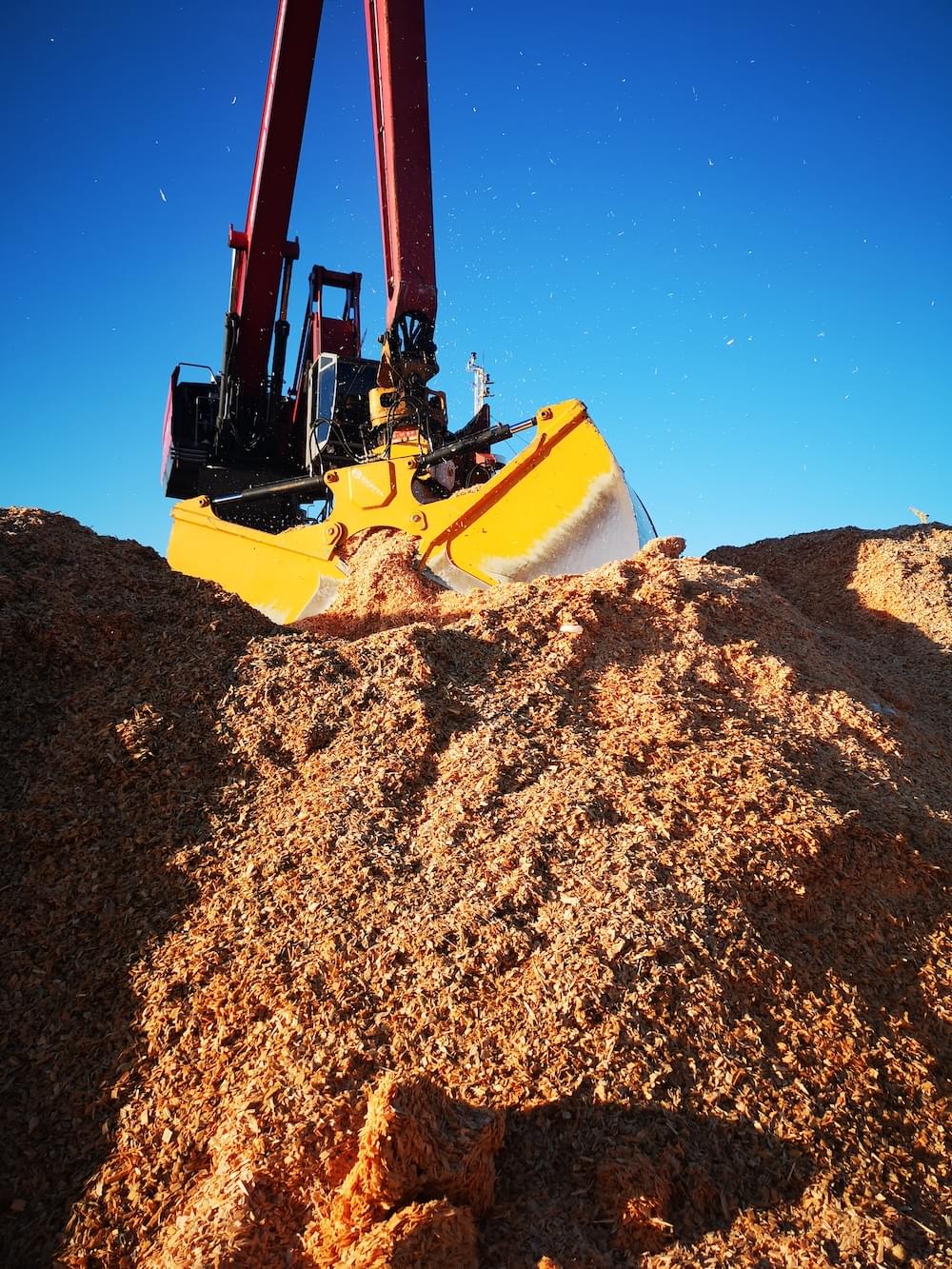
Fuelwood chips are mainly produced from forest harvesting residues — branches and other leftover biomass. Fuelwood has become a highly demanded resource, and therefore competition in the sale and procurement of this product has grown significantly, as there is a wide range of buyers. Fuelwood chips are primarily used by energy producers, as well as manufacturers of pellets, panels, and other woodbased products.
ACA Timber has successfully established itself as a competitive market player, earning the trust of multiple clients through reliable and highquality fuelwood chip deliveries. ACA Timber serves customers both abroad and in the local market. The company operates several chip storage sites in the Kurzeme and Vidzeme regions, ensuring stable supply volumes throughout the year.
Quality requirements for fuelwood chips can be obtained by contacting us via phone or email.


Bark
Bark is obtained as a byproduct from sawmills during the production process. Before processing timber, sawmills debark the roundwood, thereby producing bark, which is later sold as a secondary product.
Bark is mainly used to enrich soil — in gardening and horticulture. Bark is a relatively inexpensive material that is increasingly used because of its practicality. It is one of the most commonly used materials for mulching plants in autumn and winter. Pine bark absorbs heat, helping to protect the root system from cold temperatures and preventing frost damage during harsh winter months.
ACA Timber primarily exports bark to other European countries, where it is used in gardening and horticulture. These countries appreciate and favour the high quality of Latvian bark and the professional work carried out by ACA Timber.


Wood Shavings
Wood shavings are one of the lowervalue wood products. This product is also obtained in sawmills as a byproduct. Shavings are generally divided into two types — sawdust and planer shavings. Companies that purchase chips and shavings set the required parameters (moisture content, ash content, particle size, allowable impurities, etc.) according to the technology used in their production processes.
The applications for shavings are more limited than for wood chips, and price trends differ as well. Shavings are primarily used to produce pellets and briquettes. Demand for shavings has increased in recent years due to the rising global consumption of pellets.
Pellets
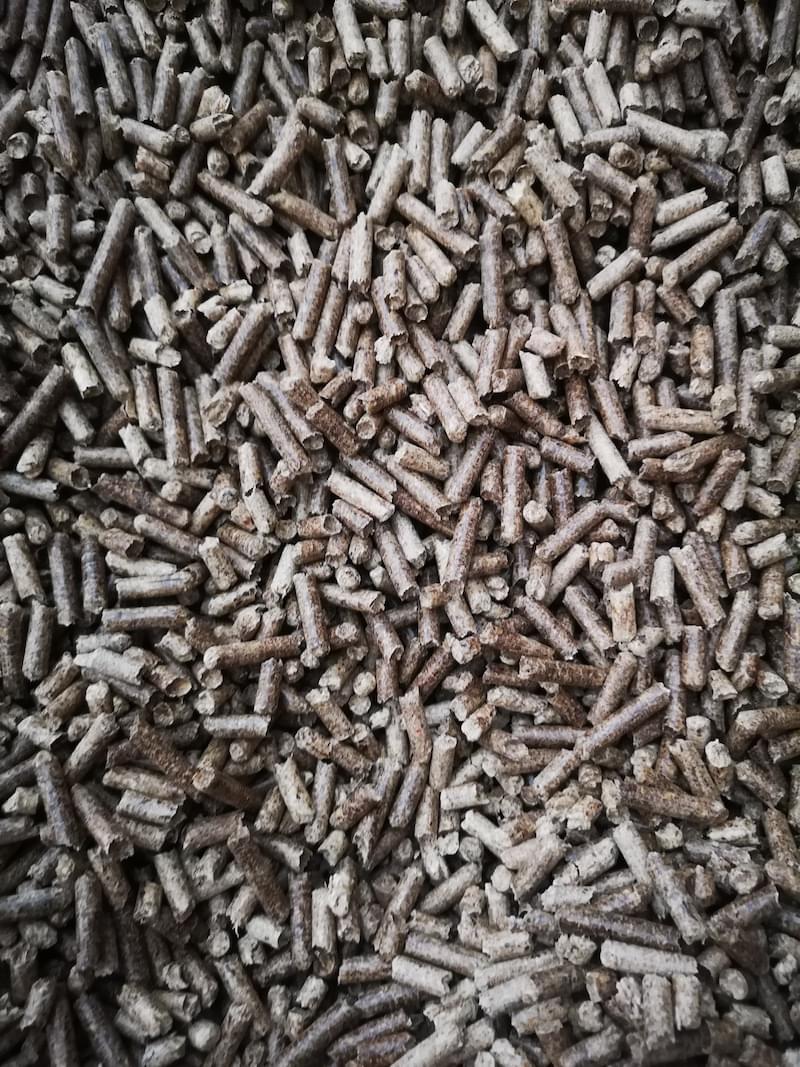
Wood pellets are produced by compressing wood shavings. The result is cylindrical pellets that are 4–10 mm in diameter and 12–30 mm in length. Under high pressure and temperature, lignin — a natural binding agent found in wood — is released and binds the pellets together, preventing them from breaking apart.
Before pellet pressing, the required raw material is dried and milled. During production, the dried shavings are tightly compressed. To produce 1 m³ of pellets, approximately 7 to 10 m³ of shavings are needed.
Wood pellets must be dry (with moisture content up to 10%) and free from chemical impurities.